
Water Heater Maintenance Tips for Homeowners in Saskatoon 2025

Water Heater Maintenance Tips for Homeowners in Saskatoon Water heater maintenance Saskatoon homeowners can rely on starts with simple habits like flushing the tank, checking for leaks, testing the pressure relief valve, and watching for changes in hot water performance. In Saskatoon, hard water, cold winters, and regular household demand can all put extra strain on your system. If your tank is noisy, leaking, slow to heat, or over 10 years old, Boss Plumbing Ltd. can help with professional water heater installation and repair before a small issue becomes an expensive breakdown. With the right maintenance routine, you can extend your water heater’s lifespan, improve efficiency, reduce energy costs, and avoid unexpected cold showers. Why Preventative Water Heater Care Is Important Taking care of your water heater isn’t just a good idea, it’s essential to keep your system running smoothly. Here’s why regular maintenance should be on your top to-do list: Boosts Efficiency: A clean, well-maintained unit uses less energy, saving you money. Extends Lifespan: Regular upkeep can add years to your water heater’s life. Prevents Breakdowns: Catching issues early reduces the risk of sudden failures. Improves Water Quality: Flushing out sediment keeps your water clean. Enhances Performance: A properly maintained heater delivers consistent hot water when you need it most. For a better idea of how repair costs can add up, read our guide to plumbing cost in Saskatoon. Key Steps for Effective Water Heater Maintenance To keep your system in top shape, follow these essential maintenance steps: Flush the Tank Annually Hard water in Saskatchewan causes sediment buildup, which can reduce efficiency. Draining and flushing the tank yearly helps remove debris and maintain performance. Ignoring sediment buildup can lead to overheating and damage to the internal lining. Inspect the Anode Rod This small component prevents rust from corroding the inside of your tank. Check it every 2–3 years and replace it if more than half is worn away. A neglected anode rod can lead to tank corrosion and costly leaks. Test the Temperature & Pressure Relief Valve This valve is a crucial safety feature that prevents dangerous pressure buildup. Lift the lever to let some water discharge. If nothing happens, replace the valve. A malfunctioning relief valve could cause serious tank ruptures. Adjust the Thermostat Set the temperature to 49°C (120°F) for safety and efficiency. Lower settings reduce energy use and prevent accidental scalding. Proper temperature control also helps minimize mineral deposits on heating elements. Insulate Pipes and the Tank Insulating hot water pipes helps reduce heat loss and improves efficiency. Older tanks benefit from an insulating blanket to prevent standby heat loss. Insulation also protects pipes from freezing during harsh Saskatoon winters. Water Heater Maintenance Checklist for Saskatoon Homes Maintenance Task How Often Why It Matters Flush the tank Once a year Helps remove sediment and improve efficiency Check for leaks Monthly Small leaks can become expensive repairs Test the pressure relief valve Once a year Helps confirm the safety valve is working properly Check water temperature Every few months Prevents overheating and unnecessary energy use Look for rust or corrosion Monthly Early warning sign of tank wear or failure Book professional maintenance Once a year Helps catch issues before they become breakdowns When to Know Your Water Heater Needs Professional Attention Even with regular maintenance, some issues require expert help. Call a licensed plumber if you notice: Water Leaks: Any pooling water around your unit is a warning sign. Strange Noises: Popping or rumbling sounds may indicate sediment buildup. Inconsistent Hot Water: Fluctuating temperatures signal worn-out parts. Rusty Water: Corrosion could be affecting your tank or pipes. Higher Utility Bills: A sudden spike suggests your heater is working harder than it should. Homeowners should also watch for common plumbing issues in Saskatoon homes, especially if hot water problems are happening alongside leaks, pressure changes, or drainage issues. Common Causes of Water Heater Problems Understanding potential problems can help you prevent them: Hard Water: Saskatoon’s mineral-rich water leads to sediment buildup. Old Age: Units over 10 years old are more prone to failure. Neglected Maintenance: Skipping yearly service shortens your system’s lifespan. Faulty Thermostats or Heating Elements: These can cause lukewarm or no hot water at all. Why You Should Schedule Professional Water Heater Maintenance Bringing in a professional like us at Boss Plumbing Ltd. for a full inspection can make a world of difference. Here’s why: We go beyond basic homeowner maintenance with thorough system checks. We catch minor issues before they turn into expensive repairs. We ensure your unit meets Saskatchewan’s safety codes. We can recommend upgrades like energy-efficient models or smart thermostats. For more ways to reduce water and energy waste, see our guide to eco-friendly plumbing upgrades for Saskatoon homeowners. Energy Savings from Regular Maintenance Proper water heater maintenance doesn’t just prevent breakdowns—it also cuts down on energy costs: A clean, sediment-free tank heats water faster and more efficiently. Correct thermostat settings eliminate unnecessary energy use. Insulation upgrades prevent standby heat loss. Replacing worn-out parts boosts efficiency and lowers energy waste. Schedule Your Water Heater Service Today Want to avoid unexpected cold showers and expensive repairs? Book a professional water heater maintenance appointment with Boss Plumbing Ltd. today. We proudly serve homeowners in Saskatoon and the surrounding areas. Contact us now to schedule your service and keep your water heater running smoothly all year long! FAQ: Water Heater Maintenance Saskatoon How often should I flush my water heater in Saskatoon? Most Saskatoon homeowners should flush their water heater once a year. Because hard water can cause sediment buildup inside the tank, regular flushing can help improve efficiency, reduce noise, and extend the life of the system. What are the signs my water heater needs maintenance? Common signs include noisy operation, rusty water, leaking around the tank, inconsistent hot water, slow recovery time, higher energy bills, or water that does not get hot enough. If these issues appear, it is best to book professional service before the problem gets worse.
Hidden Plumbing Leaks in Saskatoon: How to Detect and Fix Them
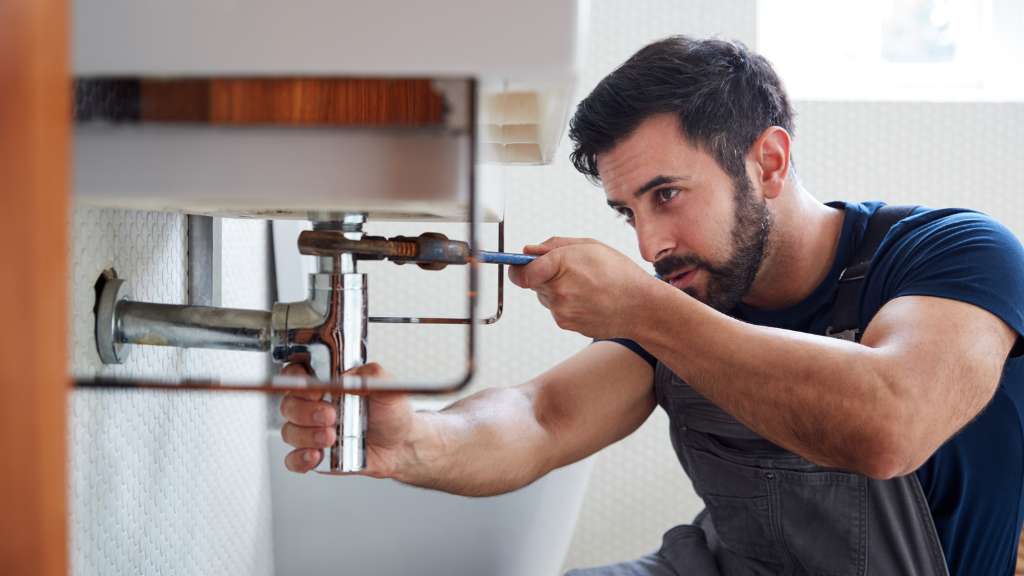
Hidden Plumbing Leaks in Saskatoon: How to Detect and Fix Them Hidden plumbing leaks in Saskatoon can cause far more damage than most homeowners realize. A slow drip behind the wall might not seem like much, but it can quietly raise your water bills, promote mould growth, and even weaken your home’s structure. Because these leaks often happen out of sight, they usually go unnoticed until significant and expensive damage has already occurred. Boss Plumbing also offer a leak detection service in Saskatoon. In this guide, Boss Plumbing, Saskatoon’s trusted plumbing experts, explain how to detect and fix hidden leaks, what warning signs to look for, and how to prevent future issues before they turn into costly repairs. Table of Contents Why Are Hidden Plumbing Leaks a Big Problem in Saskatoon? What Are the Most Common Signs of Hidden Plumbing Leaks? Where Should I Check for Hidden Plumbing Leaks in My Home? How Can I Detect a Hidden Plumbing Leak Before It Gets Worse? How Should I Fix a Hidden Plumbing Leak Safely? When Should I Call a Professional Plumber for a Leak? How Can I Prevent Hidden Plumbing Leaks in the Future? FAQ – Hidden Plumbing Leaks in Saskatoon Get in Touch with Boss Plumbing Why Are Hidden Plumbing Leaks a Big Problem in Saskatoon? Hidden plumbing leaks in Saskatoon waste hundreds of litres of water every month, drive up your utility bills, and can lead to costly property damage. According to the City of Saskatoon’s Water and Sewer Services, even small, unnoticed leaks are among the biggest sources of wasted water. Saskatoon’s harsh winters make the problem worse. As temperatures drop, pipes expand and contract, increasing the risk of cracks and hidden leaks. Once water seeps behind walls or under floors, it can damage insulation, electrical wiring, and drywall, triggering a chain of costly repairs. Pro Tip: If your water bill suddenly spikes without any change in usage, chances are you’ve got a hidden leak somewhere in your plumbing system. What Are the Most Common Signs of Hidden Plumbing Leaks? You might not see a puddle, but your home often gives small clues that something is wrong. Ask yourself these questions. Why Are My Water Bills Higher Than Normal? A sudden spike in your water bill without any change in usage is one of the clearest warning signs of a hidden plumbing leak. Even a small drip can waste hundreds of litres of water over time, adding up to unexpected costs on your monthly bill. Why Does My Home Smell Musty or Damp? That persistent musty smell you can’t seem to get rid of usually points to moisture trapped behind walls, under floors, or inside cabinets. Hidden leaks create the perfect environment for mould and mildew to grow, no matter how often you clean. What Causes Water Stains on My Walls or Ceilings? Brown or yellow stains on your ceiling or walls are a telltale sign that water is seeping through. In most cases, the source is a leaking pipe or a bathroom fixture located above the affected area. Why Is My Paint Bubbling or Wallpaper Peeling? If your paint starts to bubble or your wallpaper begins to peel, trapped moisture is likely to blame. Water from hidden leaks breaks down adhesives and weakens surfaces, causing visible damage over time. Why Are My Floors or Baseboards Warping? Mould needs moisture to grow, and hidden leaks provide exactly that. Even in rooms that don’t typically get wet, such as bedrooms or hallways, an unseen leak can create the damp conditions where mould thrives. Why Is My Water Pressure Suddenly Lower? When water escapes through a leak before reaching your fixtures, you’ll notice a weaker flow from taps and showers. A sudden drop in pressure could mean a hidden leak somewhere in your plumbing system. Furthermore, if you’re experiencing water pressure issues, visit our Homeowner’s Guide to Water Pressure Problems in Saskatoon Homes for additional solutions. Where Should I Check for Hidden Plumbing Leaks in My Home? Below are common areas you are likely to detect hidden leaks, which might be small but can be quite damaging. Location Why It’s Vulnerable Inspection Tip Under sinks Loose fittings or worn seals Run water and feel pipes with a dry towel to detect moisture Around toilets Faulty wax seals Look for water pooling near the base Behind showers or tubs Aging plumbing joints Check for soft drywall or peeling caulk Basement pipes Rust or cold-weather corrosion Inspect joints for discoloration or residue Ceilings below bathrooms Supply line leaks Watch for sagging drywall or stains Exterior taps Freeze-thaw stress Turn the hose on and check for dripping water outside 🧰 Quick Tip: Turn off all water in your home, then check your water meter. If the dial still moves, you likely have a hidden leak. How Can I Detect a Hidden Plumbing Leak Before It Gets Worse? Catching a hidden plumbing leak early can save you from major water damage and expensive repairs. Here are some of the most effective methods homeowners and plumbing professionals use to spot leaks before they escalate. What Is the Water Meter Test? Start by turning off all taps and water-using appliances in your home. Then, check your water meter. If the dial or numbers continue to move after 10–15 minutes, it means water is still flowing somewhere, indicating a hidden leak. Can I Hear a Leak Through My Walls or Floors? Yes. When your home is quiet, listen carefully near walls, ceilings, or floors. A faint hissing, dripping, or running-water sound often points to a hidden leak behind your surfaces. How Do Plumbers Use Moisture Meters and Infrared Cameras? Professional plumbers use specialized tools like moisture meters and infrared cameras to detect temperature changes caused by water buildup. At Boss Plumbing, we use infrared imaging to locate leaks precisely, without the need to cut into your walls or floors. What Is the Food Colouring Test? This quick test helps identify toilet leaks. Add a few drops
How to Prevent Frozen Pipes in Saskatoon Winters
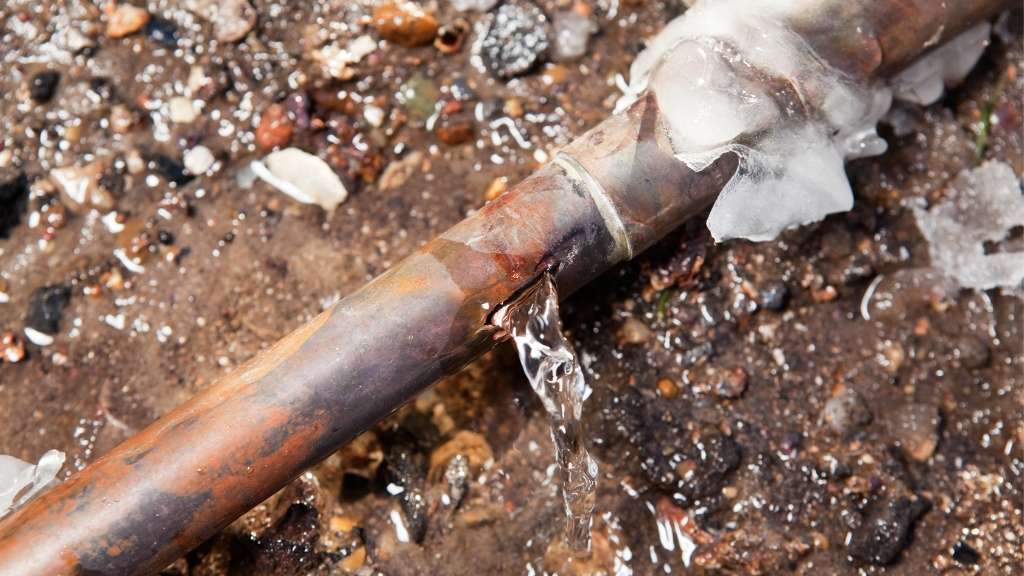
How to Prevent Frozen Pipes in Saskatoon Winters Table of Contents Introduction Why Frozen Pipes Are a Major Problem Signs Your Pipes Are at Risk How to Prevent Frozen Pipes (Step-by-Step) What to Do If Pipes Freeze Professional Help from Boss Plumbing FAQ – Frozen Pipes in Saskatoon Call Boss Plumbing Introduction Saskatoon winters can be brutally cold. Therefore, knowing how to prevent frozen pipes in Saskatoon is one of the most important steps homeowners can take before the deep freeze arrives. When water freezes, it expands and as a result, can burst pipes completely. Consequently, what starts as a minor chill can quickly turn into thousands of dollars in water damage. Frozen pipes can crack or burst once they thaw, which is why a professional pipe repair service in Saskatoon is often needed to prevent leaks and water damage. Moreover, frozen pipes often happen overnight or when no one is home. As a result, prevention is far easier and more affordable than emergency repairs. In this guide, the experts at Boss Plumbing Ltd. explain why frozen pipes occur, how to stop them before they start, and what to do if it’s already too late. Why Frozen Pipes Are a Major Problem in Saskatoon Because Saskatoon regularly experiences temperatures below –30 °C, the risk of frozen pipes is extremely high. In fact, even a single cold night can freeze standing water in exposed lines. As ice forms, it expands and consequently, builds pressure strong enough to rupture pipes. Furthermore, older homes in Saskatoon often have long, uninsulated plumbing runs through basements, crawl spaces, or garages. Therefore, even small gaps in insulation can lead to big issues. According to the Government of Saskatchewan, frozen or burst pipes are among the province’s most common winter emergencies. If you notice frost on pipes or low water flow, shut off your main valve immediately and call emergency plumbing in Saskatoon for immediate help. Acting fast reduces repair costs and prevents water damage. The City of Saskatoon “Frozen Pipes” page highlights how the city handles frozen pipes. Signs Your Pipes Are at Risk of Freezing Recognizing warning signs early allows you to take action before damage occurs. Symptom What It Means Recommended Action Low water pressure Ice forming inside the pipe Keep faucet open slightly; apply gentle heat Frost or condensation on pipes Surface temperature below freezing Add insulation and inspect for drafts Banging or gurgling noises Ice pockets restricting flow Turn off water if sounds intensify Cold drafts near plumbing Unsealed wall or floor gaps Seal openings with caulk or foam No water flow Pipe may already be frozen Call a professional plumber immediately In addition, check plumbing behind kitchen and bathroom sinks, as these areas often freeze first due to thin wall insulation. How to Prevent Frozen Pipes in Saskatoon This Winter (Step-by-Step Guide) Frozen pipes are one of the most common plumbing issues in winter, and understanding common plumbing issues in Saskatoon homes can help homeowners spot early warning signs before serious damage occurs. 1. Insulate Exposed Pipes to Prevent Frozen Pipes in Saskatoon Begin by identifying pipes located along exterior walls, basements, crawl spaces, and garages. Then, wrap them with foam pipe insulation or heat tape. As a result, these pipes retain warmth and are less likely to freeze. In addition, consider professional plumbing repairs and installations to upgrade outdated piping that runs through cold zones. 2. Seal Air Leaks Around Openings Cold air often enters through cracks where pipes or cables penetrate walls. Therefore, seal gaps with caulking or expanding foam to prevent cold drafts. As a result, your furnace runs more efficiently while keeping pipes above freezing. 3. Maintain a Consistent Indoor Temperature Although lowering the thermostat at night may save a few dollars, it can raise your risk of frozen pipes. Instead, maintain a steady indoor temperature day and night. Moreover, if you plan to travel, set the thermostat no lower than 15 °C (60 °F). By keeping your home’s heat consistent, you actively prevent frozen pipes in Saskatoon during the coldest months. 4. Let Vulnerable Faucets Drip Because running water resists freezing, a small steady drip can relieve pressure buildup inside pipes. Additionally, ensure the drains remain clear to handle the slow flow safely. During extreme cold warnings, open the faucets furthest from your main line. 5. Open Cabinet Doors for Warm Air Circulation Under-sink pipes, especially those on exterior walls are vulnerable. Therefore, open kitchen and bathroom cabinets during severe cold to let warm air circulate. Moreover, remove clutter that traps cold air around the pipes. 6. Add Smart Leak and Temperature Monitors For extra peace of mind, install smart sensors that track water temperature and humidity. These devices send alerts to your phone if a drop or leak occurs. Consequently, you can act before a freeze turns into a flood. 7. Know Your Main Water Shut-Off Valve to Protect Plumbing in Winter Finally, locate and label your home’s main shut-off valve. In an emergency, every second matters. Therefore, test it twice a year and ensure all family members know how to close it. Pro Tip: Maintaining a consistent indoor temperature requires an efficient furnace. Schedule furnace services in Saskatoon before winter to keep your home’s heating reliable. What to Do If Your Pipes Freeze Even with good preparation, pipes can still freeze. However, acting quickly can prevent further damage. Regular inspections and seasonal preparation through plumbing maintenance contracts can significantly reduce the risk of frozen pipes and unexpected winter plumbing emergencies. If a frozen pipe has cracked or burst, it’s important to understand what to know about plumbing leaks so hidden damage doesn’t go unnoticed once the pipe thaws. Step 1 – Keep Faucets Open When thawing, always open nearby faucets. As ice melts, water and steam need an escape route to relieve pressure. Step 2 – Apply Gentle, Even Heat Use a hair dryer, heating pad, or warm towels. However, never use an open flame, as it can cause fires or burst pipes. Start
Common plumbing issues in Saskatoon homes

Common Plumbing Issues in Saskatoon Homes and How to Prevent Them Common plumbing issues in Saskatoon homes can quickly turn from small annoyances into costly repairs, especially with freezing winters, older pipework, and hard water all playing a role. From dripping taps and blocked drains to low water pressure and leaking pipes, many homeowners end up calling reliable plumbers in Saskatoon before the problem gets worse. In this guide, Boss Plumbing Ltd. breaks down the most common plumbing issues seen in Saskatoon homes and shares practical ways to help prevent them. Table of Contents Why Plumbing Issues Are Common in Saskatoon Frequent Plumbing Problems in Saskatoon Homes Frozen Pipes Clogged Drains Leaky Faucets Water Heater Failures Low Water Pressure Preventive Measures for Saskatoon Homeowners Insulate Pipes to Prevent Freezing Regular Drain Maintenance Fix Leaks Promptly Maintain Your Water Heater Address Low Water Pressure Why Choose Boss Plumbing Ltd. for Plumbing Solutions Conclusion: Keep Your Saskatoon Home Plumbing in Top Shape FAQs About Plumbing Issues in Saskatoon Homes Why Plumbing Issues Are Common in Saskatoon Saskatoon’s harsh climate and water quality contribute significantly to plumbing challenges. For instance, winter temperatures often drop below -30°C, increasing the risk of frozen pipes. Additionally, the city’s hard water, rich in minerals like calcium and magnesium, causes buildup in pipes and fixtures, leading to clogs and inefficiencies. Moreover, older homes in neighbourhoods like City Park or Sutherland may have aging plumbing systems prone to leaks or corrosion. As a result, understanding these local factors is crucial for homeowners. By taking preventive steps and partnering with a trusted service like Boss Plumbing Ltd. you can protect your home from costly plumbing issues. Many homeowners are caught off guard by hidden plumbing leaks in Saskatoon, which can go unnoticed until they cause significant structural or water damage. Frequent Plumbing Problems in Saskatoon Homes To help you stay proactive, here are the most frequent plumbing problems in Saskatoon homes and their causes. Frozen Pipes Frozen pipes are a top concern during Saskatoon’s freezing winters. When water in pipes freezes, it expands, potentially causing cracks or bursts that lead to water damage. For example, pipes in unheated areas like basements, garages, or exterior walls are particularly susceptible. Consequently, addressing this issue promptly is essential to avoid extensive repairs. Seasonal preparation is also essential, as taking steps to prevent frozen pipes in Saskatoon winters can protect plumbing systems from costly cold-weather failures. Clogged Drains Clogged drains are a common issue, often caused by grease, hair, soap residue, or food debris. Saskatoon’s hard water exacerbates this problem by leaving mineral deposits that narrow pipes over time. As a result, drains in kitchens and bathrooms may slow down or back up, disrupting daily routines. If untreated, clogs can lead to sewer issues, which are costly to fix. Leaky Faucets Leaky faucets are both wasteful and frustrating, often resulting from worn-out washers, seals, or corrosion due to hard water. In Saskatoon, these leaks can increase water bills and cause damage if ignored. For instance, a small drip can indicate larger issues, such as pipe corrosion, making early repairs critical. Water Heater Failures Water heaters in Saskatoon homes face heavy demand, especially in winter, leading to issues like inconsistent hot water, strange noises, or complete failure. Hard water causes sediment buildup in tanks, reducing efficiency and lifespan. Therefore, regular maintenance is vital to ensure a reliable hot water supply. Low Water Pressure Low water pressure can make tasks like showering or dishwashing frustrating. In Saskatoon, this issue is often caused by mineral buildup, pipe corrosion, or hidden leaks. For example, older homes with galvanized pipes may experience reduced flow over time. As a result, diagnosing and addressing the cause is essential for restoring normal pressure. Fluctuating flow is another common issue, and understanding water pressure problems in Saskatoon homes can help identify whether the cause is ageing pipes or system faults. Preventive Measures for Saskatoon Homeowners By taking proactive steps, you can prevent many common plumbing issues in Saskatoon homes. Here are practical tips to maintain your plumbing system. Insulate Pipes to Prevent Freezing To protect against frozen pipes, insulate exposed pipes in unheated areas using foam pipe insulation or heat tape, available at stores like Home Depot Additionally, maintain a home temperature of at least 15°C, even when away, and let faucets drip during extreme cold to keep water flowing. For professional insulation or emergency repairs, contact Boss Plumbing Ltd. for reliable Saskatoon plumbing repair services. Regular Drain Maintenance Prevent clogged drains by using drain strainers to catch debris and avoiding pouring grease or food scraps down the sink. Furthermore, flush drains monthly with a mixture of hot water, vinegar, and baking soda to dissolve minor buildup. For stubborn clogs, professional drain cleaning from Boss Plumbing Ltd. can keep your pipes clear and prevent costly backups. Fix Leaks Promptly Address leaky faucets immediately to save water and prevent further damage. For example, replacing worn washers or seals can often fix minor leaks. However, complex issues may require professional attention. Regular inspections by a trusted plumbing service, like Boss Plumbing Ltd. can catch leaks early and reduce the impact of hard water. Maintain Your Water Heater Schedule annual water heater maintenance to flush sediment and check components like the anode rod. This prevents efficiency loss and extends the unit’s lifespan. If your water heater is over 10 years old, consider upgrading to an energy-efficient model. For expert maintenance, rely on Boss Plumbing Ltd. for Saskatoon plumbing repair services. Address Low Water Pressure Monitor water pressure using a gauge, available at Canadian Tire, aiming for 40-60 psi. Clean faucet aerators to remove mineral deposits, but persistent low pressure may indicate leaks or pipe issues. A professional plumber can diagnose and fix the problem. Contact Boss Plumbing Ltd. for comprehensive inspections and solutions. Why Choose Boss Plumbing Ltd. for Plumbing Solutions When dealing with frequent plumbing problems in Saskatoon, Boss Plumbing Ltd. is your go-to solution. Here’s why: Local Expertise: Our licensed plumbers understand
Water pressure problems in Saskatoon homes

A Homeowner’s Guide to Water Pressure Problems In Saskatoon Homes Water pressure problems in Saskatoon homes can make daily tasks like showering or dishwashing frustrating and inefficient. Saskatoon’s unique conditions, such as hard water and aging infrastructure, often contribute to these issues. Fortunately, by understanding the causes and solutions, homeowners can restore optimal water flow. At Boss Plumbing Ltd., we specialize in providing Saskatoon low water pressure solutions. Therefore, this guide offers a detailed look at low water pressure issues in Saskatoon, including common causes, diagnostic steps, and preventive measures to keep your plumbing system efficient. Table of Contents Why Water Pressure Problems Occur in Saskatoon Homes Common Causes of Low Water Pressure Mineral Buildup from Hard Water Pipe Corrosion Hidden Leaks Faulty Pressure Regulators Municipal Water Supply Issues How to Diagnose Water Pressure Problems Check Faucet Aerators Test Water Pressure Inspect for Leaks Evaluate Pipe Condition Solutions to Fix and Prevent Water Pressure Problems Clean or Replace Aerators Install a Water Softener Repair or Replace Pipes Adjust or Replace Pressure Regulators Schedule Regular Maintenance Why Choose Boss Plumbing Ltd. for Water Pressure Solutions To Summarize: Restore Your Home’s Water Pressure FAQs About Water Pressure Problems in Saskatoon Why Water Pressure Problems Occur in Saskatoon Homes Saskatoon’s hard water, cold winters, and older plumbing systems are key contributors to water pressure issues. For instance, hard water, high in minerals like calcium and magnesium, causes buildup in pipes and fixtures, restricting water flow. Additionally, freezing temperatures can stress pipes, leading to leaks or cracks. Moreover, homes in historic neighborhoods like Nutana or City Park often have outdated galvanized pipes prone to corrosion. As a result, homeowners must address these challenges proactively. By partnering with a trusted plumber like Boss Plumbing Ltd., you can prevent low water pressure issues in Saskatoon and ensure a reliable plumbing system. Ongoing low or fluctuating pressure often points to underlying issues that require professional plumbing repairs in Saskatoon to restore proper system performance. Common Causes of Low Water Pressure To tackle water pressure problems in Saskatoon homes, identifying the root cause is essential. Here are the most common reasons for low water pressure. Water pressure concerns are frequently linked to common plumbing issues in Saskatoon homes, such as corroded pipes, valve problems, or hidden leaks. Mineral Buildup from Hard Water Saskatoon’s hard water is a primary cause of low water pressure. Mineral deposits can accumulate in pipes, faucets, and showerheads, narrowing the flow path. For example, calcium buildup in aerators often reduces water output in specific fixtures. Consequently, this issue can affect pressure throughout the home if not addressed. Pipe Corrosion Older homes with galvanized steel pipes are susceptible to corrosion, which creates rust and scale inside pipes. This reduces the pipe’s diameter and restricts water flow. For instance, homes built before the 1980s in Saskatoon may face this problem, leading to persistent pressure issues. Hidden Leaks Hidden leaks in pipes, fixtures, or appliances can divert water flow, lowering pressure. These leaks may occur in walls, floors, or crawlspaces, often going unnoticed until damage appears. Therefore, detecting and repairing leaks promptly is critical to restoring pressure and preventing costly damage. Faulty Pressure Regulators A pressure regulator manages water pressure from the municipal supply entering your home. If it fails, it can cause low or fluctuating pressure. For example, a worn regulator may not maintain the optimal 40-60 psi range, impacting your home’s water flow. Municipal Water Supply Issues Occasionally, low water pressure results from problems with Saskatoon’s municipal water system, such as maintenance or supply disruptions. While rare, these issues can affect entire neighborhoods. However, most pressure problems originate within the home and require targeted solutions. How to Diagnose Water Pressure Problems Diagnosing low water pressure issues in Saskatoon is the first step toward effective solutions. Here are practical steps to pinpoint the problem. Check Faucet Aerators Begin by inspecting faucet aerators and showerheads for mineral buildup. Unscrew the aerator, soak it in vinegar to dissolve deposits, and test if pressure improves. For instance, hard water often clogs these components, reducing flow in specific fixtures. Test Water Pressure Use a water pressure gauge to measure your home’s pressure, available from retailers like Rona. Attach the gauge to an outdoor spigot, aiming for 40-60 psi. If the reading is low, the issue may lie within your plumbing system, requiring further investigation. Inspect for Leaks Check for signs of leaks, such as water stains, damp walls, or unusually high water bills. For example, a sudden pressure drop may indicate a hidden leak. If you suspect a leak, contact Boss Plumbing Ltd. for professional leak detection services Understanding what to know about plumbing water leaks is important, as even small, unnoticed leaks can significantly affect water pressure over time. Evaluate Pipe Condition Older pipes may have corrosion or buildup causing pressure loss. A licensed plumber can use camera inspections to assess pipe interiors for blockages or damage. This step is especially important for homes in older Saskatoon neighborhoods. Solutions to Fix and Prevent Water Pressure Problems Once the cause is identified, you can implement solutions to fix and prevent water pressure problems in Saskatoon homes. Here are effective strategies. Clean or Replace Aerators Clean clogged aerators with vinegar or replace them if damaged. This quick fix can restore pressure in affected fixtures. For instance, regular maintenance prevents hard water buildup, a common issue in Saskatoon. Lowe’s Canada offers replacement aerators for easy installation. Install a Water Softener A water softener removes minerals from hard water, preventing buildup in pipes and fixtures. This improves pressure and protects your plumbing system. For professional installation, Boss Plumbing Ltd. can recommend and install a system tailored to your needs. Repair or Replace Pipes If corrosion or buildup is severe, replace old galvanized pipes with modern materials like copper or PEX. This ensures long-term pressure stability. For example, Boss Plumbing Ltd. provides expert pipe replacement for Saskatoon low water pressure solutions. Adjust or Replace Pressure Regulators A faulty pressure regulator may need adjustment
Plumbing Water Leaks in Saskatoon: What You Need to Know as a Homeowner

Plumbing Water Leaks in Saskatoon: What You Need to Know as a Homeowner Did you know that even a small plumbing leak can waste hundreds of litres of water each week? In a place like Saskatoon, where extreme cold, older homes, and shifting soil are common, plumbing water leaks can quickly turn from a minor annoyance into a costly headache. Whether you’re dealing with a slow drip or a hidden burst, knowing what to look for (and when to call in the pros) can save you time, money, and stress. Let’s break down everything you need to know to protect your home, your wallet, and your peace of mind. Early diagnosis is crucial, and professional leak detection in Saskatoon helps locate problems before they cause extensive water damage. Why You Should Never Ignore Plumbing Water Leaks Plumbing water leaks might start small, but don’t be fooled, they can spiral into major issues if left unchecked. As a homeowner in Saskatoon, here’s why you need to act fast: They can cause serious structural damage to your home. Mould can grow in hidden spots, which is bad news for your lungs and your family’s health. Wasted water leads to sky-high utility bills. Leaks often ruin insulation, drywall, and flooring. A history of leaks can reduce your home’s resale value. It is known that household leaks waste nearly 1 trillion gallons of water annually. That’s a mind-blowing number, and with Saskatoon’s freezing winters, your risk is even higher. Spotting the Signs: How to Tell If You Have a Plumbing Leak Early detection is everything. Watch for these telltale signs: Unexplained Spike in Water Bills When your monthly bill jumps and you haven’t been filling kiddie pools or watering lawns like crazy, there’s likely a hidden leak behind it. Stains or Sagging Walls and Ceilings Notice any brown or yellow patches? Sagging drywall? These are classic red flags that water’s sneaking in behind the scenes. Persistent Musty Smells That earthy, damp smell? It’s probably mould, which thrives in areas with undetected leaks. Weak Water Pressure If your shower starts feeling more like a mist than a stream, your plumbing system might be leaking somewhere along the line. In some cases, unresolved leaks can also contribute to water pressure problems, affecting the performance of fixtures throughout the home. The Sound of Water When Everything’s Off Hearing running water but nothing’s on? That ghostly gurgling could be a leak hiding in the walls or floor. Common Leak Locations Around the House Leaks don’t always show up where you can see them. Check these common problem areas: Beneath kitchen and bathroom sinks Inside your basement or crawlspace Behind the walls near tubs and showers Around toilets and water heaters Outdoor faucets and irrigation lines Make a habit of inspecting these spots, especially after extreme cold snaps Leaks are often linked to common plumbing issues in Saskatoon homes, including ageing pipes, corrosion, or seasonal temperature changes. Hidden Water Leaks: The Silent Destroyer Silent leaks are stealthy and destructive. You may not see the problem until there’s costly damage already underway. Here’s how to catch them early: Check your water meter. Turn off all water in the house and wait two hours. If the meter changes, you likely have a leak. Look for subtle clues like warped floors, peeling paint, or mysterious stains. Invest in tech. Moisture sensors and thermal imaging cameras can spot leaks without tearing into walls. Many professional plumbers, including Boss Plumbing Ltd., rely on these tools. Want more home maintenance advice? The Canadian Mortgage and Housing Corporation has great resources on preventing water damage. Many homeowners are unaware of hidden plumbing leaks in Saskatoon, which can develop behind walls or under floors long before visible signs appear. What’s Causing the Leaks in the First Place? Understanding what leads to plumbing leaks helps you prevent them in the future. Here are the main culprits: Freezing Temperatures Frigid Saskatoon winters can cause water to freeze, expand, and crack your pipes. When it thaws, you’ve got a leak, or worse, a burst. Old or Corroded Pipes If your home still has galvanized steel or aging copper pipes, corrosion could be weakening them from the inside out. Shoddy Installation DIY projects or poor workmanship can leave joints and fittings vulnerable to long-term leakage. Tree Root Invasion Roots naturally grow toward moisture. If there’s a crack in your outdoor pipes, nearby trees might sneak their roots inside and split them wide open. Excessive Water Pressure Too much pressure might feel great in the shower, but over time, it stresses your pipes and makes leaks more likely. Why Calling a Local Expert is Worth It Call Boss Plumbing to fix water leaks in Saskatoon. Sure, you might be tempted to handle a leak yourself, but unless it’s a dripping tap, calling in the pros is usually your best bet. At Boss Plumbing, we offer: Precise leak detection using non-invasive tools designed specially for Saskatoon homes. Speedy, affordable repairs that don’t cut corners. Prevention advice tailored to your home. Certified plumbers who know how Saskatoon homes are built, and how to fix them right. We’ve built our reputation on honesty, quality, and a deep understanding of what Saskatoon homeowners need. With Boss Plumbing, you get: Rapid response times Advanced tools for pinpoint accuracy Transparent pricing (no surprise bills) Friendly, certified technicians Service grounded in local experience Here’s How We Handle Leak Repairs Comprehensive Leak Inspection – We’ll find the leak without tearing up your home, using thermal imaging and pressure tests. Honest Estimates and Clear Solutions – You’ll get a straightforward explanation of what’s going on, your repair options, and an upfront quote. Professional Repair or Replacement – Whether it’s a cracked pipe or a faulty valve, we’ll fix it using the right parts and techniques. Damage Prevention Advice – We’ll help you stop future leaks before they start, with expert tips personalized for your space. Prevent Future Leaks with These Simple Tips Insulate pipes in cold spots